Aortic Stenosis - Definition, Etiology, Signs and Symptoms
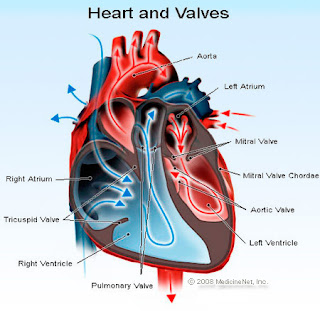
Aortic Stenosis Definition Aortic stenosis is abnormal narrowing of the aortic valve. A number of conditions cause disease resulting in narrowing of the aortic valve. When the degree of narrowing becomes significant enough to impede blood flow from the left ventricle to the arteries, leading to heart problems develop. (Otto, CM, Aortic, 2004; 25:185-187). Aortic valve stenosis is a narrowing or blockage of the aortic valve. Narrowing of the aortic valve prevents the aortic valve opens maximally thus blocking the flow of blood from the heart to the aorta. Under normal circumstances, the aortic valve consists of three buds that will close and open so blood can get through. In aortic valve stenosis, the valve usually consists of only two buds so that the hole is narrower and can inhibit blood flow. As a result, the left ventricle must pump more strongly so that blood can pass through the aortic valve. Etiology Aortic valve stenosis is a narrowing of the aortic valve preventing blood into ...