Postingan

Menampilkan postingan dengan label Risk for Decreased Cardiac Output

Risk for Decreased Cardiac Output - NCP Acute Myocardial Infarction (STEMI)

Gambar
Nursing Care Plan for AMI with ST elevation (STEMI) Definition Acute myocardial infarction is the destruction of tissue due to inadequate blood supply so that coronary blood flow is reduced. (Brunner & Suddath, 2002) Acute myocardial infarction is the death of myocardial tissue caused by myocardial coronary blood damage, due to the inadequate blood flow. (Carpenito, 2000) Acute myocardial infarction is ischemia or necrosis of the heart muscle caused by decreased blood flow through one or more coronary arteries. (Doengos, 2000) Etiology According to Noer, 1999; 103 caused by a. Causal factors: 1. Oxygen supply to the heart is reduced due to: a. Vascular factors: Atherosclerosis, spasm, arteritis. b. Circulation Factor: hypotension, aortic stenosis, insufficiency. c. Blood factors: anemia, hypoxemia, polycythemia. 2 Cardiac output increased For example: Activity, emotional, eating too much, anemia, hyperthyroidism. 3. Increased myocardial oxygen demand at: Myocardial damage, myocardi...
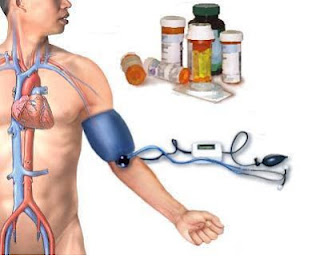
Nursing Interventions Risk for Decreased Cardiac Output in Hypertension

Gambar
Nursing Interventions Risk for Decreased Cardiac Output in Hypertension Nursing Diagnosis: Risk for Decreased Cardiac Output - Nursing Care Plan for Hypertension Risk for Decreased Cardiac Output related to vasoconstriction Expected outcomes are: Clients participating in activities that lower blood pressure / load cardiac work, maintaining blood pressure within an acceptable range of individuals, showing stable norms and cardiac frequency in the normal range. Nursing Intervention: 1. Observation of blood pressure (the ratio of pressure to give an overview more complete, the involvement / field of vascular problems). 2. Note the presence, quality of the central and peripheral pulsation (throbbing carotid, jugular, radial and femoral probably observed / palpation. 3. Auscultation of heart and breath sounds tone. (S4 commonly heard in patients with severe hypertension due to atrial hypertrophy, the development of S3 showed ventricular hypertrophy and malfunction, the presence of crackles...