Postingan

Menampilkan postingan dengan label Disturbed Sensory Perception

Disturbed Sensory Perception (visual) related to Blepharitis

Gambar
Nursing Care Plan for Blepharitis Blepharitis or better known as inflammation of the eyelids is one of the eye diseases to watch out for. The disease is caused by the oil glands at the base of the lashes were damaged, causing itching in the eyelids, irritation, even to inflammation. If this is allowed then it would be blepharitis. Although blepharitis does not cause permanent damage to the eye, but very disturbing activities of our vision. Symptoms of Blefarits as follows: The eyelids are often greasy. Itch on the eyelids. Burned in the eye. Eyes look red. Frequent watery eyes. Eye swelling of the eyelids. Eyelash gross waking. Very sensitive to light. Have peeling skin around the eyes. Eyelashes fall out. Eyelashes abnormal and irregular direction. Main causes of the occurrence of blepharitis (inflammation of the eyelids) Infected by the bacteria. Glands damaged eye. Dandruff of the scalp to eyebrows. Rosacea. Allergic to something eg eye drops, eye lens. Nursing Diagnosis and Interve...
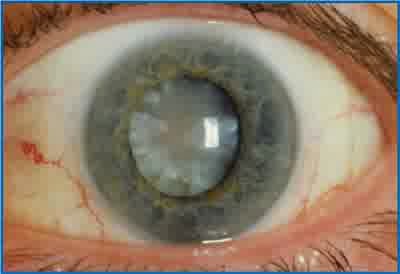
NCP for Cataracts - Disturbed Sensory Perception : Visual

Gambar
Nursing Care Plan for Cataracts Cataract is the medical term for each state turbidity occurs in the eye lens that can occur as a result of hydration (adding liquid lens), the lens protein denaturation, or can also be a result of both. Usually on both eyes and walked progressive. Cataracts cause the patient can not see clearly because of the cloudy lens is difficult light reaches the retina and will produce a blurred shadow on the retina. The number and shape of the eye lens opacities in each may vary. Causes of Cataracts Aging (Senile Cataracts): Most cataracts occur due to degenerative process or the age of a person. The average age of a cataract is at age 60 years and older. Trauma: Eye injury can be informed of all ages such as a hard blow, puncture objects, clipped, high heat, and chemicals can damage the eye and the lens is called cataract traumatic circumstances. Other eye diseases (uveitis) Systemic disease (Diabetes Mellitus). Congenital defects. Cataract is diagnosed mainly b...

Altered Thought Processes and Disturbed Sensory Perception - NCP for Dementia

Nursing Care Plan for Dementia Dementia is a decline in intellectual functioning which leads to loss of social independence. (William F. Ganong, 2010) Nursing Diagnosis for Dementia : Altered Thought Processes related to physiological changes (irreversible neuronal degeneration), characterized by: loss of memory, loss of concentration, not able to interpret the stimulation and assess reality accurately. Goal: The client is able to recognize a change in thinking. with outcomes: Able to demonstrate the cognitive ability to undergo the consequences of stressful events on the emotions and thoughts of suicide. Able to develop strategies to overcome negative self assumption. Being able to recognize behavior and the causes. Interventions : Develop a supportive environment and client-nurse relationships are therapeutic. Maintain a pleasant and quiet environment. Face-to-face when talking to clients. Call the client with the name. Use a rather low voice and speak slowly on the client. Rationa...

Nursing Interventions for Hypothyroidism - Disturbed Sensory Perception

Nursing Interventions for Hypothyroidism - Disturbed Sensory Perception Disturbed Sensory Perception (visual) based interference as a result of the transmission of sensory impulses ophtalmopathy. Purpose: that patients do not experience decreased visual acuity worse and there is no trauma / injury to the eye. Nursing Intervention: 1. Instruct the patient when sleeping with the head elevated position. 2. Moisten the eye with sterile borwater. 3. If there is photophobia, instruct the patient to use sunglasses rayben. 4. If the patient can not close eyes tightly while sleeping, use non-allergenic plaster. 5. Give steroid medications according to the program. In severe cases, doctors usually prescribe medications such as steroids to reduce edema and diuretics.