Postingan

Menampilkan postingan dengan label Constipation

Nursing Care Plan for Diverticular Disease - 3 Nursing Diagnosis and Interventions

Gambar
Nursing Care Plan for Diverticular Disease 1. Nursing Diagnosis : Constipation NOC 1. Bowel elimination 2. Hydration Outcomes: 1. Maintain soft stool every 1-3 days. 2. Free from discomfort and constipation. 3. Identify indicators to prevent constipation. 4. Soft and shaped feces. NIC 1. Constipation / Impaction Management 2. Monitor signs and symptoms of constipation. 3. Monitor bowel sounds. 4. Monitor stool (frequency, consistency and volume) 5. Explain the etiology and rationalization of the action against the patient. 6. Identify factors that cause constipation. 7. Support fluid intake. 8. Collaborate for laxatives. 9. Monitor for signs and symptoms of impaction. 10. Monitor bowel movements, including consistency of frequency, shape, volume, and color. 11. Consult with the doctor about the decrease / increase in frequency of bowel sounds. 12. Monitor for signs of intestinal rupture / peritonitis. 13. Describe the etiology of the problem and thoughts for the patient's actions. ...
Nursing Management of Constipation

Gambar
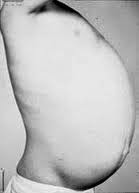
Examination begins with inspection of the abdominal area is there any enlargement of the abdomen, stretch or bulge. Further palpation on the surface of the abdomen to assess the strength of the abdominal muscles. Palpation over the faecal mass can be felt in the colon, the presence of a tumor or aneurysm of the aorta. On percussion, among others sought excessive gas gathering, organ enlargement, asietes, or the presence of faecal mass. Auscultation, among others, to listen to the sound of bowel movements, normal or excessive intestinal example on the bridge. Examination of the anal region provide an important clue, for example, is there any hemorrhoids, prolapse, fissures, fistulas, and tumor mass in the anal area can interfere with the process of defecation. Digital rectal examination should be done, among others, to determine the size and condition of the rectum and the amount and consistency of stool. Digital rectal can provide information about: Rectal tone. Sphincter tone and stre...

Constipation and Deficient Fluid Volume - NCP for Hirschsprung's Disease

Gambar
Nursing Care Plan for Hirschsprung's Disease Symptoms and signs can vary based on the severity of their condition sometimes appear soon after birth. At other times they may not appear until the baby grows into a teenager or adult. In the new birth signs may include : Failure to issue a stool in the first day or two of birth. Vomiting : include vomit green liquid called bile - digestive fluid produced in the liver. Constipation or gas. Diarrhea. In children older, signs may include : Distended abdomen. Slight weight gain. Problems in the absorption of nutrients, which leads to weight loss, diarrhea or keduanyadan delay or slow growth. Infection of the colon, especially newborn child or young ones, which can include enterocolitis, a serious infection with diarrhea, fever and vomiting and sometimes dangerous colonic dilatation. In children or older adults, symptoms may include constipation and low values ​​of red blood cells (anemia) due to blood loss in the stool. Nursing Diagnosis f...

Nursing Diagnosis and Interventions for Constipation

Gambar
Constipation is a little defecation frequency, stool is not sufficient in number, in the form of hard and dry (Oenzil, 1995). Constipation is a decrease in frequency of defecation, stool followed by spending long or hard and dry. There was an effort straining during defecation is a sign associated with constipation. If the small intestine motility slowed, a longer period of exposure to feces on the intestinal wall and most of the absorbed water content in the feces. A small amount of water left out to soften and lubricate the stool. Spending dry and hard stools can cause pain in the rectum. (Potter & Perry, 2005). 1. Constipation related to irregular defecation pattern Goal : Patients can defecate regularly (every day) Outcomes: Defecation can be done once a day. Soft stool consistency. Faecal elimination without excessive straining. Nursing Interventions: Independent: 1. Determine the pattern of defecation and trained to do so. Rationale: To restore the regularity of defecation ...

Pathophysiology of Constipation

Gambar
Defecation as well on urination is a physiological process that includes working smooth muscles, and fiber latitude, central and peripheral innervation, coordination of the reflex system, good awareness and physical ability to reach a place of defecation. The difficulty of diagnosis and management of constipation is because of the many mechanisms involved in the normal process of defecation (urge to defecate normally stimulated by rectal distension through four stages, among others: the stimulus baffle recto-anal reflex, muscle relaxation of the internal sphincter, external sphincter muscle relaxation and muscles in the pelvic region, and an increase in intra-abdominal pressure). Disruption of one of these mechanisms can result in constipation . Defecation starting peristalsis of the large intestine to the rectum to deliver feces removed. Feces enter and stretch the ampulla of the rectum followed by relaxation of the internal anal sphincter. To avoid spontaneous spending stool, occurri...

Constipation related to decreased intestinal peristalsis

Constipation related to decreased intestinal peristalsis Nursing Care Plan for Peritonitis: Goal: after nursing Interventions, expected, no change of the pattern of elimination. Expected outcomes: Normal pattern of bowel movements (1-2 x / day) Removing the stool without straining Nursing intervention: a. Assess the distension and loss of intestinal peristalsis Rational: distension and loss of intestinal peristalsis indicates that the function of defecation is lost. b. Instruct the patient to perform movements according to ability Rational: stimulates peristalsis which facilitates the formation of flatus. c. Explain to patients to avoid foods that make up the gas. Rasonal: reducing gastric distress and abdominal distension. d. Collaboration give stool softeners. Rational: to stimulate peristalsis slowly / evacuation of feces.

Constipation / Diarrhea related to Anemia

Constipation / Diarrhea related to Anemia Nursing Diagnosis: Constipation / Diarrhea related to a reduction in dietary inputs, changes in digestion, the side effects of oral therapy. Signs : frequency change characteristics and the amount of feces nausea / vomiting anorexia sudden abdominal pain impaired bowel sounds. Expected outcomes are: normal bowel function behavioral changes necessary to live as the cause. Nursing Intervention: Observation of color, consistency, frequency, amount. Auscultation of bowel sounds Supervise the input / output Encourage input 2500-3000 ml Consult with a nutritionist: high-fiber diet Give an enema as indicated Give anti-diarrheal medications as indicated.

Nursing Care Plan for Constipation

Definition: A decrease in a person's normal frequency of defecation, accompanied by difficult or incomplete passage of stool and/or passage of excessively hard, dry stool Defining Characteristics: Change in bowel pattern; bright red blood with stool; presence of soft paste-like stool in rectum; distended abdomen; dark, black, or tarry stool; increased abdominal pressure; percussed abdominal dullness; pain with defecation; decreased volume of stool; straining with defecation; decreased frequency; dry, hard, formed stool; palpable rectal mass; feeling of rectal fullness or pressure; abdominal pain; unable to pass stool; anorexia; headache ; change in abdominal growing (borborygmi); indigestion; atypical presentation in older adults (e.g., change in mental status, urinary incontinence, unexplained falls, elevated body temperature); severe flatus; generalized fatigue; hypoactive or hyperactive bowel sounds; palpable abdominal mass; abdominal tenderness with or without palpable muscle ...

Nursing Care Plan for Alteration in Bowel Elimination : Constipation

Alteration in Bowel Elimination: Constipation Definition: A situation where an individual experience or a higher risk of static in the large intestine, resulting in a rare bowel movements, hard, dry stools. Related Factors: Pathophysiology Related to innervation disorders, pelvic floor muscles are weak, and immobilization: Spinal cord lesions Spinal cord injury Dementia Cerebrovascular injury (CSV, stroke) Neurological Disease Related to a reduced metabolic rate: Obesity Diabetic neuropathic Uremia Hypothyroidism Hyperparathyroidism Related to decreased peristalsis: Hypoxia (cardiac, pulmonary) Action Related to side effects (specific): Aluminum antacids Aspirin anesthetic Iron Fenotiasine Barium Calcium Anticholinergics Diuretics Narcotics Agents antiparkinson Situational Related to decreased peristaltis Immobilization Gestation Stress Lack of exercise Related to elimination pattern ketitakteraturan Dealing with fear of pain Related to fluid intake takadekuat Major Data Frequency decr...