Postingan

Nursing Care Plan for Nausea and Vomiting
Gambar
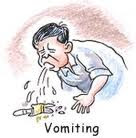
Nausea Nausea is a sensation of unease and discomfort in the upper stomach with an involuntary urge to vomit. It often, but not always, preceded vomiting. A person can suffer nausea without vomiting. Some common causes of nausea are motion sickness, gastroenteritis (stomach infection) or food poisoning, side effects of many medications including cancer chemotherapy, or morning sickness in early pregnancy. Medications taken to prevent nausea are called antiemetics and include diphenhydramine, metoclopramide and ondansetron. Nausea may also be caused by stress and depression. Vomiting Vomiting (known medically as emesis and informally as throwing up and a number of other terms) is the forceful expulsion of the contents of one's stomach through the mouth and sometimes the nose. Vomiting may result from many causes, ranging from gastritis or poisoning to brain tumors, or elevated intracranial pressure. The feeling that one is about to vomit is called nausea, which usually precedes, bu...

Nursing Care Plan for Gastritis

Gambar
Gastritis Gastritis occurs when the lining of the stomach becomes inflamed or swollen. Gastritis can last for only a short time (acute gastritis), or linger for months to years (chronic gastritis) Symptoms Many people with gastritis do not have any symptoms. Symptoms you may notice are: Loss of appetite Nausea and vomiting Pain in the upper part of the belly or abdomen If gastritis is causing bleeding from the lining of the stomach, symptoms may include: Black stools Vomiting blood or coffee-ground like material Gastritis is diagnosed through one or more medical tests: Upper gastrointestinal endoscopy. The doctor eases an endoscope, a thin tube containing a tiny camera, through your mouth (or occasionally nose) and down into your stomach to look at the stomach lining. The doctor will check for inflammation and may remove a tiny sample of tissue for tests. This procedure to remove a tissue sample is called a biopsy. Blood test. The doctor may check your red blood cell count to see whet...

Nursing Care Plan for Congestive Heart Failure

Gambar
Heart failure (HF) often called congestive heart failure (CHF) is generally defined as the inability of the heart to supply sufficient blood flow to meet the needs of the body. Heart failure can cause a number of symptoms including shortness of breath, leg swelling, and exercise intolerance. The condition is diagnosed with echocardiography and blood tests. Treatment commonly consists of lifestyle measures (such as smoking cessation, light exercise including breathing protocols, decreased salt intake and other dietary changes) and medications, and sometimes devices or even surgery. Common causes of heart failure include myocardial infarction and other forms of ischemic heart disease, hypertension, valvular heart disease, and cardiomyopathy. The term "heart failure" is sometimes incorrectly used to describe other cardiac-related illnesses, such as myocardial infarction (heart attack) or cardiac arrest, which can cause heart failure but are not equivalent to heart failure. The...

Nursing Care Plan for Non-Hodgkin's Lymphoma

Non-Hodgkin's lymphoma Non-Hodgkin's lymphoma is cancer of the lymphoid tissue, which includes the lymph nodes, spleen, and other organs of the immune system. Causes White blood cells called lymphocytes are found in lymph tissues. They help prevent infections. Most lymphomas start in a type of white blood cells called B lymphocytes, or B cells. For most patients, the cause of this cancer is unknown. However, lymphomas may develop in people with weakened immune systems. For example, the risk of lymphoma increases after an organ transplant or in people with HIV infection. There are many different types of non-Hodgkin's lymphoma. It is classified according to how fast the cancer spreads. The cancer may be low grade (slow growing), intermediate grade, or high grade (fast growing). Burkitt's tumor is an example of a high-grade lymphoma. Follicular lymphoma is a low-grade lymphoma The cancer is further sub-classified by how the cells look under the microscope, for example, i...

Nursing Care Plan for Diabetic Gangrene

Gangrene is a serious and potentially life-threatening condition that arises when a considerable mass of body tissue dies (necrosis). This may occur after an injury or infection, or in people suffering from any chronic health problem affecting blood circulation. The primary cause of gangrene is reduced blood supply to the affected tissues, which results in cell death. Diabetes and long-term smoking increase the risk of suffering from gangrene. There are different types of gangrene with different symptoms, such as dry gangrene, wet gangrene, gas gangrene, internal gangrene and necrotising fasciitis. Treatment options include debridement (or, in severe cases, amputation) of the affected body parts, antibiotics, vascular surgery, maggot therapy or hyperbaric oxygen therapy. Nursing Care Plan for Diabetic Gangrene Nursing diagnosis that appear in diabetic foot gangrene patients are as follows: Impaired tissue perfusion related to the weakening / decreased blood flow to the area of ​​gang...

Nursing Care Plan for Impaired Verbal Communication

Impaired verbal communication is defined as decreased, delayed, or absent ability to receive, process, transmit, and use a system of symbols. Related to : Physiologic conditions Alteration of central nervous system Impaired neurologic development or dysfunction Disturbance in attachment/bonding with the parent/caregiver Characterized by : Language delay or total absence of language Immature grammatic structure; pronoun reversal; inability to name objects Stereotyped or repetitive use of language (echolalia, idiosyncratic words, inappropriate high-pitched squealing/giggling, repetitive phrases, sing-song speech quality) Lack of response to communication attempts by others Outcome : Communicate in words/gestures that are understood by others Interventions and Rationales Use one-on-one interactions to engage the client in nonverbal play. R/: The nurse enters the client’s world in a nonthreatening interaction to form a trusting relationship. Recognize subtle cues indicating the client is ...

Nursing Care Plan for Pleural Effusion

Gambar
Pleural effusion Pleural effusion is excess fluid that accumulates in the pleura, the fluid-filled space that surrounds the lungs. Excessive amounts of such fluid can impair breathing by limiting the expansion of the lungs during respiration. Etiology of Pleural Effusion Various causes of pleural effusion are: Neoplasms, such as bronchogenic and metastatic neoplasms. Cardiovascular, such as congestive heart failure, pulmonary embolus and pericarditis. Diseases of the abdomen, such as pancreatitis, ascites, abscess and Meigs syndrome. Infections caused by bacteria, viruses, fungi, and parasites microbacterial. Trauma Other causes such as systemic lupus erythematosus, rheumatoid arthritis, nephrotic sindroms and uremia. Signs and Symptoms of Pleural Effusion Cough Dyspnea varies Complaints of chest pain (pleuritic pain) In severe effusions occur protrusion intercostal space. Chest movement was reduced and delayed on the part of the experience effusion. Percussion dims above pleural eff...