Postingan

Nursing Care Plan for Urethral Stricture

Gambar
Definition of Urethral Stricture A urethral stricture is a narrowing of a section of the urethra. It causes a blocked or reduced flow of urine which can lead to complications. Symptoms and signs Symptoms of urethral stricture is a typical small stream of urine and branched irritation and other symptoms of infection such as frequency, urgency, dysuria, sometimes with infiltrates, abces and fistula. Symptoms are retained urine. Physical Examination Anamnese To find the absence of symptoms and signs of urethral stricture also to look for causes of urethral stricture. General and local examination To check on the patient also to change in urethral fibrosis, infiltrates, abscesses or fistulas. Examination Support Laboratory: urea, creatinine, to see the renal physiology. Radiological Diagnosis must be made with urethrography. Retrograde urethrography to see the anterior urethra. Antegrade urethrography to see the posterior urethra. Bipoler urethrography is a combination of antegrade...

Nursing Care Plan for Thyroid Cancer

Thyroid cancer is a disease in which malignant (cancer) cells form in the tissues of the thyroid gland. The thyroid is a gland at the base of the throat near the trachea (windpipe). It is shaped like a butterfly, with a right lobe and a left lobe. The isthmus, a thin piece of tissue, connects the two lobes. A healthy thyroid is a little larger than a quarter. It usually cannot be felt through the skin. The thyroid uses iodine, a mineral found in some foods and in iodized salt, to help make several hormones. Thyroid hormones do the following: Control heart rate, body temperature, and how quickly food is changed into energy (metabolism). Control the amount of calcium in the blood. There are four main types of thyroid cancer: Papillary thyroid cancer: The most common type of thyroid cancer. Follicular thyroid cancer. Hürthle cell carcinoma is a form of follicular thyroid cancer and is treated the same way. Medullary thyroid cancer. Anaplastic thyroid cancer. Possible signs of thyroid canc...

Nursing Care Plan for Cataract

Gambar
Cataract A cataract is a clouding of the lens in your eye. It affects your vision. Cataracts are very common in older people. By age 80, more than half of all people in the United States either have a cataract or have had cataract surgery. Common symptoms are Blurry vision Colors that seem faded Glare Not being able to see well at night Double vision Frequent prescription changes in your eye wear Cataracts usually develop slowly. New glasses, brighter lighting, anti-glare sunglasses or magnifying lenses can help at first. Surgery is also an option. It involves removing the cloudy lens and replacing it with an artificial lens. Wearing sunglasses and a hat with a brim to block ultraviolet sunlight may help to delay cataracts. NIH: National Eye Institute Cataract Symptoms Having cataracts is often compared to looking through a foggy windshield of a car or through the dirty lens of a camera. Cataracts may cause a variety of complaints and visual changes, including blurred vision, difficul...

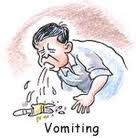
Nursing Care Plan for Nausea and Vomiting

Gambar
Nausea Nausea is a sensation of unease and discomfort in the upper stomach with an involuntary urge to vomit. It often, but not always, preceded vomiting. A person can suffer nausea without vomiting. Some common causes of nausea are motion sickness, gastroenteritis (stomach infection) or food poisoning, side effects of many medications including cancer chemotherapy, or morning sickness in early pregnancy. Medications taken to prevent nausea are called antiemetics and include diphenhydramine, metoclopramide and ondansetron. Nausea may also be caused by stress and depression. Vomiting Vomiting (known medically as emesis and informally as throwing up and a number of other terms) is the forceful expulsion of the contents of one's stomach through the mouth and sometimes the nose. Vomiting may result from many causes, ranging from gastritis or poisoning to brain tumors, or elevated intracranial pressure. The feeling that one is about to vomit is called nausea, which usually precedes, bu...

Nursing Care Plan for Gastritis

Gambar
Gastritis Gastritis occurs when the lining of the stomach becomes inflamed or swollen. Gastritis can last for only a short time (acute gastritis), or linger for months to years (chronic gastritis) Symptoms Many people with gastritis do not have any symptoms. Symptoms you may notice are: Loss of appetite Nausea and vomiting Pain in the upper part of the belly or abdomen If gastritis is causing bleeding from the lining of the stomach, symptoms may include: Black stools Vomiting blood or coffee-ground like material Gastritis is diagnosed through one or more medical tests: Upper gastrointestinal endoscopy. The doctor eases an endoscope, a thin tube containing a tiny camera, through your mouth (or occasionally nose) and down into your stomach to look at the stomach lining. The doctor will check for inflammation and may remove a tiny sample of tissue for tests. This procedure to remove a tissue sample is called a biopsy. Blood test. The doctor may check your red blood cell count to see whet...

Nursing Care Plan for Congestive Heart Failure

Gambar
Heart failure (HF) often called congestive heart failure (CHF) is generally defined as the inability of the heart to supply sufficient blood flow to meet the needs of the body. Heart failure can cause a number of symptoms including shortness of breath, leg swelling, and exercise intolerance. The condition is diagnosed with echocardiography and blood tests. Treatment commonly consists of lifestyle measures (such as smoking cessation, light exercise including breathing protocols, decreased salt intake and other dietary changes) and medications, and sometimes devices or even surgery. Common causes of heart failure include myocardial infarction and other forms of ischemic heart disease, hypertension, valvular heart disease, and cardiomyopathy. The term "heart failure" is sometimes incorrectly used to describe other cardiac-related illnesses, such as myocardial infarction (heart attack) or cardiac arrest, which can cause heart failure but are not equivalent to heart failure. The...

Nursing Care Plan for Non-Hodgkin's Lymphoma

Non-Hodgkin's lymphoma Non-Hodgkin's lymphoma is cancer of the lymphoid tissue, which includes the lymph nodes, spleen, and other organs of the immune system. Causes White blood cells called lymphocytes are found in lymph tissues. They help prevent infections. Most lymphomas start in a type of white blood cells called B lymphocytes, or B cells. For most patients, the cause of this cancer is unknown. However, lymphomas may develop in people with weakened immune systems. For example, the risk of lymphoma increases after an organ transplant or in people with HIV infection. There are many different types of non-Hodgkin's lymphoma. It is classified according to how fast the cancer spreads. The cancer may be low grade (slow growing), intermediate grade, or high grade (fast growing). Burkitt's tumor is an example of a high-grade lymphoma. Follicular lymphoma is a low-grade lymphoma The cancer is further sub-classified by how the cells look under the microscope, for example, i...