Postingan

Nursing Diagnosis - Hypothermia : Definition, Related Factors, Outcomes and Interventions

Gambar
Hypothermia: Definition : Body temperature below the normal range Defining Characteristics : body temperature below normal range, cool, pale skin, dizziness, hypertension, increased heart rate, lack of coordination, piloerection, shivering, slow capillary refill Related Factors : alcohol and drug use, decreased metabolic rate, exposure to cold environment, extreme evaporative heat loss from skin, illness, inability to shiver, inadequate nutrition, poor clothing, medications, trauma NOC: Thermoregulation Thermoregulation: neonate Expected Outcomes: Body temperature in the normal range Pulse and respiratory rate are in the normal range NIC: Temperature Regulation Monitor temperature at least every 2 hours. Plan temperature monitoring continuously. Blood pressure monitor, pulse, and respiratory rate. Monitor skin color and temperature. Monitor signs of hyperthermia and hypothermia. Increase intake of fluids and nutrients. Cover the patient to prevent loss of body warmth. Teach patients ho...
Nursing Diagnosis Knowledge Deficit : Definition, Outcomes and Interventions

Gambar
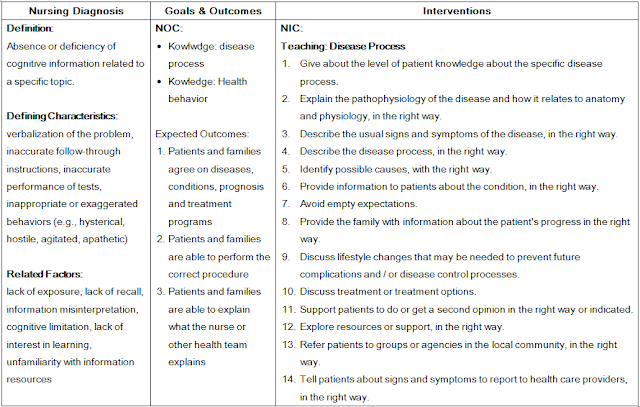
Knowledge Deficit    Definition: Absence or deficiency of cognitive information related to a specific topic. Defining Characteristics: verbalization of the problem, inaccurate follow-through instructions, inaccurate performance of tests, inappropriate or exaggerated behaviors (e.g., hysterical, hostile, agitated, apathetic) Related Factors: lack of exposure, lack of recall, information misinterpretation, cognitive limitation, lack of interest in learning, unfamiliarity with information resources NOC: Kowlwdge: disease process Kowledge: Health behavior Expected Outcomes: Patients and families agree on diseases, conditions, prognosis and treatment programs Patients and families are able to perform the correct procedure Patients and families are able to explain what the nurse or other health team explains NIC: Teaching: Disease Process Give about the level of patient knowledge about the specific disease process. Explain the pathophysiology of the disease and how it relates to an...

Nursing Diagnosis and Interventions for Fear

Gambar
Nursing Diagnosis : Fear r/t invasive procedure, hospitalization, unfriendly experience. Fear Definition Response to perceived threat that is consciously recognized as a danger Defining characteristics: Panic Terror Avoidance or attack behavior Impulsive Pulse, respiration, systolic BP increases Anorexia Nauseous vomit Pale Stimulus as a threat Tired Tense muscles Sweat increases Uproar Tension increases Express fear Cry Protest Escape Outcomes : Fear Control The client : Don't attack or avoid scary sources. Use relaxation techniques to reduce fear. Able to control the response. Does not run away. Duration of fear decreases. Cooperative when done care and treatment. Anxiety Control The client : Adequate sleep. There is no physical manifestations. There is no behavioral manifestations. Want to interact socially. Interventions : Coping Enhancement Assess the patient's fearful response: objective and subjective data. Explain to the client / family about the disease process. Expla...

Deficient Fluid Volume related to Diarrhea

Nursing Care Plan for Diarrhea Nursing Diagnosis : Deficient Fluid Volume related to input decreases, loss of active fluid volume, failure in the regulatory mechanism Defining Characteristics: Weakness Thirsty Decreased skin turgor Mucous membrane / dry skin Pulse increases, blood pressure decreases, pulse pressure decreases Decreased capillary filling Change in mental status Decreased urine output Increased urine concentration Increased body temperature Hematocrit increases Sudden weight loss. Goal After implementation, fluid and electrolyte requirements are adequate, with the following criteria: Hydration Adequate skin hydration Blood pressure is within normal limits The pulse is palpable Moist mucous membrane Normal skin turgor Stable weight and within normal limits Eyelid - not concave Fontanela - not concave Normal urine output No fever There is no very thirst There is no short breaths Fluid Balance Normal blood pressure Palpable peripheral pulse There is no orthostatic hypotensi...

Appendicitis - Assessment, Nursing Diagnosis and Interventions

Assessment History: Data collected by nurses from clients with possible appendicitis include: age, sey, surgical history, and other medical history, oral / rectal barium administration, history of diit especially fibrous foods. a. Subjective Data Before surgery • Navel area pain radiates to the lower right abdomen • Nausea, vomiting, bloating • No appetite, fever • The right leg cannot be straightened • Diarrhea or constipation After surgery • Pain in the surgery area • Weak • Thirst • Nausea, bloating • Dizzy b. Objective data Before surgery • Tenderness at McBurney point • Muscle spasm • Tachycardia, tachypnea • Pale, nervous • Bowel noise is reduced or absent • Fever 38 - 38.5 degrees C After surgery • There are surgical wounds in the right lower quadrant of the abdomen • Attached infusion • There is a drain / gastric pipe • Reduced bowel sounds • Dry oral mucous membranes Laboratory examination • Leukocytes: 10,000 - 18,000 / mm3 • Netrophils increase by 75% • Increased WBC up to 2...

Nursing Care Plan for Hepatic Cirrhosis / Liver Cirrhosis

Hepatic cirrhosis is a chronic disease of the liver with inflammation and liver fibrosis which results in the distribution of hepatic structures and loss of most liver function. Major changes that occur due to cirrhosis are the death of liver cells, the formation of fibrotic cells (mast cells), cell regeneration and scar tissue that replaces normal cells (Baradero, 2008).According to Black (2014) liver cirrhosis is a progressive chronic disease characterized by extensive fibrosis (scar tissue) and nodule formation. Cirrhosis occurs when the normal flow of blood, bile and hepatic metabolism is altered by fibrosis and changes in hepatocytes, bile ducts, vascular pathways and reticular cells. Cirrhosis is the final stage in many types of liver injury. Cirrhosis of the liver usually has a nodular consistency, with bundles of fibrosis (scar tissue) and small areas of tissue regeneration. There is extensive damage to hepatocytes. Changes in heart shape change the flow of the vascular and lym...

Nursing Care Plan for Diverticular Disease - 3 Nursing Diagnosis and Interventions

Gambar
Nursing Care Plan for Diverticular Disease 1. Nursing Diagnosis : Constipation NOC 1. Bowel elimination 2. Hydration Outcomes: 1. Maintain soft stool every 1-3 days. 2. Free from discomfort and constipation. 3. Identify indicators to prevent constipation. 4. Soft and shaped feces. NIC 1. Constipation / Impaction Management 2. Monitor signs and symptoms of constipation. 3. Monitor bowel sounds. 4. Monitor stool (frequency, consistency and volume) 5. Explain the etiology and rationalization of the action against the patient. 6. Identify factors that cause constipation. 7. Support fluid intake. 8. Collaborate for laxatives. 9. Monitor for signs and symptoms of impaction. 10. Monitor bowel movements, including consistency of frequency, shape, volume, and color. 11. Consult with the doctor about the decrease / increase in frequency of bowel sounds. 12. Monitor for signs of intestinal rupture / peritonitis. 13. Describe the etiology of the problem and thoughts for the patient's actions. ...

7 Effective Ways to Overcome Stuttering

Gambar
Stuttering is a speech disorder, with an indication of bottlenecks pronunciation of words or series of sentences. This disorder can be bereft of ideas to get the words, the repetition of a few syllables, difficulty wheezes on certain letters, to the inability to get the word altogether. Stuttering usually associated with confidence issues and easily nervous. If a patient stutters faced with a situation or a person who made him nervous, then the reaction in the body that often happens is that tensions are visible when talking accompanied by facial movements, movement of the feet, hands, and so forth. Causes of Stuttering Stuttering can be caused by physical or psychological factors. Physical cause that is likely to come from heredity that causes physical imperfections such as disorders of the nervous speech, impaired speech synthesizers, the limitations of the tongue. Psychological causes that tension that comes from a person's reaction to the environment, mental stress because of s...

NCP Hydrocephalus : Acute Pain and Ineffective Cerebral Tissue Perfusion

Gambar
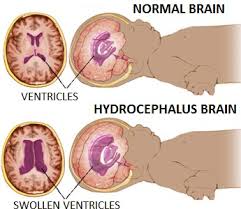
Hydrocephalus is a buildup of fluid inside the skull, leading to brain swelling. Hydrocephalus is caused by cerebrospinal fluid flow problems, the fluid that surrounds the brain and spinal cord. This fluid carries nutrients to the brain, eliminating waste from the brain, and acts as a cushion. CSF normally moves through the area of the brain called ventricles, around the outside of the brain and spinal cord. This fluid is then absorbed into the bloodstream. Fluid buildup can occur in the brain if the flow or absorption is blocked or if too much fluid is produced. Accumulation of fluid puts pressure on the brain, pushing the brain to the skull and damaging or destroying brain tissue. Hydrocephalus - Nursing Diagnosis and Interventions (NIC - NOC) 1. Ineffective cerebral tissue perfusion related to the increased volume of cerebrospinal fluid. NOC: Circulation status Expected outcomes (NOC): 1. Shows the status of circulation which is characterized by the following indicators: Systolic a...

Nursing Diagnosis for Morbid Obesity

Gambar
Nursing Care Plan for Morbid Obesity Obesity is defined as having excess fat in the body. Obesity increases the risk of other diseases, such as diabetes and high blood pressure. Doctors use the BMI (body mass index), which is based on weight and height to determine whether you suffer from obesity. Extreme obesity or severe obesity known as morbid obesity. Morbid obesity is a condition where a person has a BMI over 40 or more. Symptoms associated with obesity include: Hard to sleep. Snoring. Stop breathing for a while suddenly during sleep. Back pain or joint. Excessive sweating. Always feel hot. Rash or infection of the skin folds. Difficulty breathing. Often sleepy and tired. Depression. There are genetic and hormonal influences on body weight. The most fundamental thing is that obesity occurs when the body receives more calories rather than burn it. Calories are then accumulate and become fat. Obesity is usually the result of a combination of the following factors: Not physically act...

Disturbed Body Image related to Rheumatoid Arthritis

Gambar
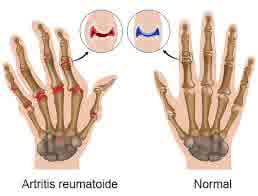
Nursing Care Plan for Rheumatoid Arthritis Rheumatoid arthritis is a disease which has long been known and spread throughout the world and involving all races and ethnic groups. Rheumatoid arthritis is often found in women, with the ratio of women to men is 3: 1. The tendency for women suffering from rheumatoid arthritis and remissions are common in women who are pregnant, this raises the suspicion of the presence of hormonal balance factor as one of the factors that affect this disease. Most patients show symptoms of chronic intermittent disease, which if left untreated will cause damage to joints and progressive joint deformity that causes disability and even premature death. Disturbed Body Image related to changes in the ability to perform the duties of a general, an increase in energy use, the imbalance of mobility. Evidenced by: Changes in the function of diseased body parts. Focus on past strength and appearance. Changes in lifestyle / physical ability to continue the role, job l...

Gastroesophageal Reflux Disease (GERD) - Assessment and Physical Examination

Gambar
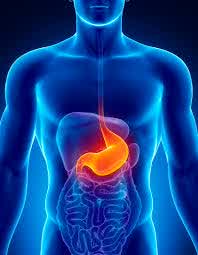
Gastroesophageal Reflux Disease (GERD) - Assessment 1. General condition Covering conditions such as the level of tension / fatigue, qualitative level of consciousness or GCS and client verbal response. 2. Vital signs Includes examining: Blood pressure: should be examined in a different position, assess the pulse pressure, and pathological conditions. Pulse rate. Respiratory rate. Temperature. 3. Main complaint Assessed onset, duration, quality and characteristics, severity. Location, precipitating factors, related manifestations: Typical complaints (esophagus): heartburn, regurgitation, and dysphagia. Atypical Complaints (extra esophagus): chronic cough, hoarseness, pneumonia, pulmonary fibrosis, bronchiectasis, and non-cardiac chest pain. Another complaint: weight loss, anemia, hematemesis or melena, odynophagia. 4. Past medical history/Previous health Other gastrointestinal diseases. Drugs that affect gastric acid. Allergy / immune response reaction. 5. Family medical history Physi...

Chronic Pain related to Stomach Cancer

Gambar
Nursing Care Plan for Stomach Cancer Stomach Cancer is a disease that occurs in the stomach. The average age of patients with stomach cancer is 45 years and above. However there are cases where the disease is under the age of 45 years.Like most other types of cancer, stomach cancer cause is not known with certainty. But according to some experts, the cause of stomach cancer is suspected because of the bacterium Helicobacter pylori, less healthy eating patterns, consuming less vegetable fiber, or fruit and unhealthy lifestyles, such as smoking, alcohol consumption and eating food that is burned. In the early stages, the symptoms of gastric cancer is not clear. This can lead to gastric cancer patients often come to the doctor in a state of advanced stage. Symptoms at this stage may include a burning sensation in the pit of the stomach, weight loss and discomfort in the upper abdomen. While symptoms at an advanced stage may include pain in the upper abdomen, nausea, vomiting, drastic weig...

Hyperthermia related to Neonatal Sepsis

Gambar
Nursing Diagnosis and Interventions for Neonatal Sepsis Sepsis is a syndrome characterized by clinical signs and symptoms of severe infection that can progress toward septicemia and septic shock. (Doenges, 1999) While neonatal sepsis is a severe infection that affects neonates with systemic symptoms and there are bacteria in the blood. Neonatal sepsis course of the disease can take place quickly so often not monitored, without adequate treatment babies can die within 24 to 48 hours. (Surasmi, 2003). Nursing Diagnosis and Interventions for Neonatal Sepsis Hyperthermia related to damage control temperature, secondary to infection or inflammation. Expected outcomes: The body temperature within normal limits. Pulse and breathing frequency within normal limits. Intervention and Rationale: 1. Monitoring of vital signs every two hours and monitor skin color. R /: Changes in vital signs that would significantly affect the regulatory processes or metabolism in the body. 2. Observation of seizu...

Psychotherapy of Anxiety Disorders

Gambar
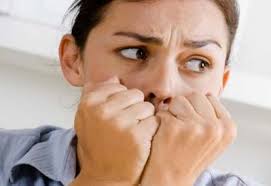
Anxiety, worry, fear, is a common psychological symptoms and can be felt by each individual. Anxiety reactions usually occur frequently in adults, but children can also face the anxiety, such as temporarily abandoned by parents, first day of school or at the time wanted the exam. In the case of the elderly, the reaction of anxiety often occur when they face the pressure (stress) with the difficulties that can be faced and the difficulties that can not be faced, such as work pressure, pressure at school / college, the pressure on the issue of romance as well as pressure on health issues. Excessive anxiety reaction and settled continuously over a considerable period of time can turn into a disorder, which anxiety disorder. The nature of anxiety disorders can produce a response to the physical and psychological. Anxiety disorder is a serious mental illness characterized by feelings of great anxiety and excessive, such as feelings of excessive fear, heart pounding harder, shortness of br...

Anxiety - Definition According to Experts

Gambar
According to Freud (in Alwisol, 2005: 28) says that anxiety is the ego function to warn people about the possibility of a danger, so it can be prepared the appropriate adaptive response. Anxiety serves as a mechanism that protects the ego because the anxiety signal to us that there is a danger and if not done the right thing, the danger will increase to ego defeated. Lefrancois (1980) states that anxiety is an unpleasant emotional reaction, which is characterized by fear. However, according to Lefrancois, the anxiety danger is ambiguous, for example there is a threat, given the barriers to personal desires, their depressed feelings that arise in consciousness. The concept of anxiety plays a very fundamental theories of stress and adjustment (Lazarus, 1961). According to Post (1978), anxiety is an unpleasant emotional state, which is characterized by subjective feelings like stress, fear, worry, and also characterized by active central nervous system. Freud (in Arndt, 1974) describes an...

Hyperthermia and Acute Pain - NCP for Mastoiditis

Gambar
Nursing Care Plan for Mastoiditis Mastoiditis is an inflammation of the mastoid bone, usually from the tympanic cavity. The expansion of middle ear infections repeatedly can cause changes in the mastoid, such as thickening of the mucosa and accumulation of exudate. Over time there is inflammation of the bone (osteitis) and collecting exudate / pus that more and more, eventually finding a way out. The weak areas are usually located behind the ear, causing an abscess superiosteum. According to George (1997: 106), the clinical manifestations in patients with mastoiditis include: The fever usually disappear and arise. Pain tends to settle and throbbing, located around and inside the ears, and experience tenderness in the mastoid. Hearing loss. Tympanic membrane bulging contain skin that has been damaged and discuss sebaceous (fat). Posterior canal wall hanging. Postauricular swelling. A large discharge through the ear canal and the odor. Nursing Diagnosis and Interventions for Mastoiditis ...

Possible Nursing Diagnosis for Trigeminal Neuralgia

Gambar
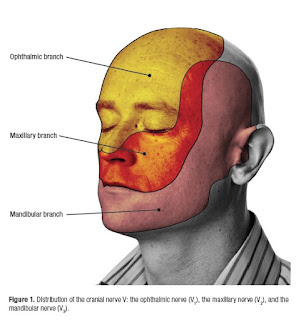
Trigeminal Neuralgia Neuralgia is a stabbing pain that arises occasionally, but short and heavy, which occurs along the distribution of a nerve. Trigeminal neuralgia (NT) is neuralgia on the trigeminal nerve (fifth cranial nerve) that is responsible for sensation in the face. Trigeminal neuralgia (facial pain) is characterized by brief episodes of strong facial pain, stabbing, and like electricity. According to Dr. Dito Anurogo, Trigeminal Neuralgia is a complaint of pain attacks one side of the face are repeated. Called trigeminal neuralgia, because facial pain occurs in one or more nerves than the three branches of Trigeminal nerve. This large nerve located in the brain and carries sensation from the face to the brain. The pain is caused by a disturbance in Trigeminal nerve function in accordance with the regional distribution of innervation of one branch of the trigeminal nerve caused by a variety of causes. Etilogy trigeminal neuralgia is still not fully understood. There is one th...

Disturbed Body Image NCP for Dermatitis

Gambar
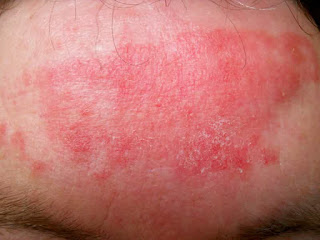
Nursing Care Plan for Dermatitis Dermatitis is inflammation of the skin. Dermatitis can have many causes and occurs in many forms. Dermatitis usually involves an itchy rash on swollen, reddened skin. Dermatitis is a common condition that's not contagious and usually isn't life-threatening. Even so, it can make you feel uncomfortable and self-conscious. Disturbed Body Image related to the appearance of the skin that is not good. Goal: Development of an increase in self-acceptance. Expected outcomes: Develop an increase in the willingness to accept a state of self. Follow and participate in self-care measures. Reported feeling in control of the situation. Reinforces the positive support of the self-governing. Express attention to self-healthier. Seemed not to notice the condition. Using a technique to hide flaws and emphasize techniques for improving the appearance. Interventions : 1. Assess the patient's self-image disturbance in (avoiding eye contact, self-deprecating speec...

Definition of Hypertension According to the Experts

Gambar
Hypertension is one of the cardiovascular system diseases that are often found in the community. Hypertension is not a contagious disease, but it should always be wary. High blood pressure or hypertension and arteriosclerosis are two basic conditions that underlie many forms of cardiovascular disease. Furthermore, high blood pressure also causes kidney disorders. Until now, efforts to both prevent and treat hypertension has not been entirely successful, because of the inhibiting factors such as lack of knowledge about hypertension (understanding, signs and symptoms, causation, complications) and also treatment. Various factors play a role in this case one of them is a modern lifestyle. Selection of fatty foods, unhealthy activity habits, smoking, drinking coffee are some of the things that is suspected as a factor that contributes to this hypertension. This disease can be the result of modern lifestyles and can also be a cause of various non-infectious diseases. To know more about this...