Postingan

7 Effective Ways to Overcome Stuttering

Gambar
Stuttering is a speech disorder, with an indication of bottlenecks pronunciation of words or series of sentences. This disorder can be bereft of ideas to get the words, the repetition of a few syllables, difficulty wheezes on certain letters, to the inability to get the word altogether. Stuttering usually associated with confidence issues and easily nervous. If a patient stutters faced with a situation or a person who made him nervous, then the reaction in the body that often happens is that tensions are visible when talking accompanied by facial movements, movement of the feet, hands, and so forth. Causes of Stuttering Stuttering can be caused by physical or psychological factors. Physical cause that is likely to come from heredity that causes physical imperfections such as disorders of the nervous speech, impaired speech synthesizers, the limitations of the tongue. Psychological causes that tension that comes from a person's reaction to the environment, mental stress because of s...
NCP Hydrocephalus : Acute Pain and Ineffective Cerebral Tissue Perfusion

Gambar
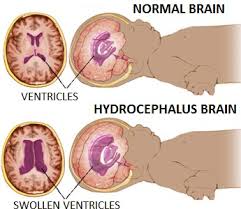
Hydrocephalus is a buildup of fluid inside the skull, leading to brain swelling. Hydrocephalus is caused by cerebrospinal fluid flow problems, the fluid that surrounds the brain and spinal cord. This fluid carries nutrients to the brain, eliminating waste from the brain, and acts as a cushion. CSF normally moves through the area of the brain called ventricles, around the outside of the brain and spinal cord. This fluid is then absorbed into the bloodstream. Fluid buildup can occur in the brain if the flow or absorption is blocked or if too much fluid is produced. Accumulation of fluid puts pressure on the brain, pushing the brain to the skull and damaging or destroying brain tissue. Hydrocephalus - Nursing Diagnosis and Interventions (NIC - NOC) 1. Ineffective cerebral tissue perfusion related to the increased volume of cerebrospinal fluid. NOC: Circulation status Expected outcomes (NOC): 1. Shows the status of circulation which is characterized by the following indicators: Systolic a...

Nursing Diagnosis for Morbid Obesity

Gambar
Nursing Care Plan for Morbid Obesity Obesity is defined as having excess fat in the body. Obesity increases the risk of other diseases, such as diabetes and high blood pressure. Doctors use the BMI (body mass index), which is based on weight and height to determine whether you suffer from obesity. Extreme obesity or severe obesity known as morbid obesity. Morbid obesity is a condition where a person has a BMI over 40 or more. Symptoms associated with obesity include: Hard to sleep. Snoring. Stop breathing for a while suddenly during sleep. Back pain or joint. Excessive sweating. Always feel hot. Rash or infection of the skin folds. Difficulty breathing. Often sleepy and tired. Depression. There are genetic and hormonal influences on body weight. The most fundamental thing is that obesity occurs when the body receives more calories rather than burn it. Calories are then accumulate and become fat. Obesity is usually the result of a combination of the following factors: Not physically act...

Disturbed Body Image related to Rheumatoid Arthritis

Gambar
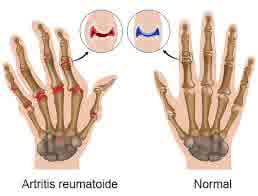
Nursing Care Plan for Rheumatoid Arthritis Rheumatoid arthritis is a disease which has long been known and spread throughout the world and involving all races and ethnic groups. Rheumatoid arthritis is often found in women, with the ratio of women to men is 3: 1. The tendency for women suffering from rheumatoid arthritis and remissions are common in women who are pregnant, this raises the suspicion of the presence of hormonal balance factor as one of the factors that affect this disease. Most patients show symptoms of chronic intermittent disease, which if left untreated will cause damage to joints and progressive joint deformity that causes disability and even premature death. Disturbed Body Image related to changes in the ability to perform the duties of a general, an increase in energy use, the imbalance of mobility. Evidenced by: Changes in the function of diseased body parts. Focus on past strength and appearance. Changes in lifestyle / physical ability to continue the role, job l...

Gastroesophageal Reflux Disease (GERD) - Assessment and Physical Examination

Gambar
Gastroesophageal Reflux Disease (GERD) - Assessment 1. General condition Covering conditions such as the level of tension / fatigue, qualitative level of consciousness or GCS and client verbal response. 2. Vital signs Includes examining: Blood pressure: should be examined in a different position, assess the pulse pressure, and pathological conditions. Pulse rate. Respiratory rate. Temperature. 3. Main complaint Assessed onset, duration, quality and characteristics, severity. Location, precipitating factors, related manifestations: Typical complaints (esophagus): heartburn, regurgitation, and dysphagia. Atypical Complaints (extra esophagus): chronic cough, hoarseness, pneumonia, pulmonary fibrosis, bronchiectasis, and non-cardiac chest pain. Another complaint: weight loss, anemia, hematemesis or melena, odynophagia. 4. Past medical history/Previous health Other gastrointestinal diseases. Drugs that affect gastric acid. Allergy / immune response reaction. 5. Family medical history Physi...

Chronic Pain related to Stomach Cancer

Gambar
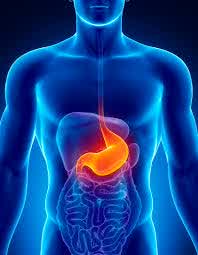
Nursing Care Plan for Stomach Cancer Stomach Cancer is a disease that occurs in the stomach. The average age of patients with stomach cancer is 45 years and above. However there are cases where the disease is under the age of 45 years.Like most other types of cancer, stomach cancer cause is not known with certainty. But according to some experts, the cause of stomach cancer is suspected because of the bacterium Helicobacter pylori, less healthy eating patterns, consuming less vegetable fiber, or fruit and unhealthy lifestyles, such as smoking, alcohol consumption and eating food that is burned. In the early stages, the symptoms of gastric cancer is not clear. This can lead to gastric cancer patients often come to the doctor in a state of advanced stage. Symptoms at this stage may include a burning sensation in the pit of the stomach, weight loss and discomfort in the upper abdomen. While symptoms at an advanced stage may include pain in the upper abdomen, nausea, vomiting, drastic weig...

Hyperthermia related to Neonatal Sepsis

Gambar
Nursing Diagnosis and Interventions for Neonatal Sepsis Sepsis is a syndrome characterized by clinical signs and symptoms of severe infection that can progress toward septicemia and septic shock. (Doenges, 1999) While neonatal sepsis is a severe infection that affects neonates with systemic symptoms and there are bacteria in the blood. Neonatal sepsis course of the disease can take place quickly so often not monitored, without adequate treatment babies can die within 24 to 48 hours. (Surasmi, 2003). Nursing Diagnosis and Interventions for Neonatal Sepsis Hyperthermia related to damage control temperature, secondary to infection or inflammation. Expected outcomes: The body temperature within normal limits. Pulse and breathing frequency within normal limits. Intervention and Rationale: 1. Monitoring of vital signs every two hours and monitor skin color. R /: Changes in vital signs that would significantly affect the regulatory processes or metabolism in the body. 2. Observation of seizu...