Postingan

Nursing Diagnosis Risk for Infection - NCP Impetigo

Gambar
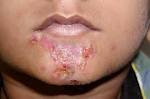
Nursing Diagnosis Risk for infection - NCP Impetigo Nursing Diagnosis Risk for Infection related to decreased immune system, malnutrition, inflammation, and invasive procedures. Expected outcomes are: Clients are free from signs and symptoms of infection. Showed the ability to prevent infection. Demonstrate healthy behavior. Describe the process of transmission of the disease, factors that influence transmission. Nursing Interventions - Nursing Care Plan for Impetigo : Monitor for signs and symptoms of infection. Monitor susceptibility to infection. Limit the visitor when necessary. Instruct patient visitors to wash their hands during a visit and after leaving the patient. Maintain aseptic environment during ongoing treatment. Give skin care in the area epidema. Inspection of skin and mucous membrane of the redness, heat. Inspection of the condition of the wound. Give antibiotic therapy if necessary. Teach how to avoid infection.
Nursing Diagnosis for Knowledge Deficit - NCP Impetigo

Gambar
Nursing Diagnosis of Knowledge Deficit - Nursing Care Plan for Impetigo  Nursing Diagnosis: Knowledge Deficit : the disease, prognosis and treatment needs. Patients showed an understanding of disease processes and treatment procedures, with the expected outcomes: the patient can explain the status of the disease, treatment, care understand that done. Nursing Interventions ; Teach About the Disease: Determine the level of knowledge of patients and families related to disease processes. Describe the pathophysiology of the disease and connect with the anatomy and physiology. Describe the signs and symptoms of the disease. Describe the disease process. Identification of possible causes. Provide information about the patient's condition. Provide information about the diagnostic measures. Describe the rationality of therapy / treatment given. Describe complications. Talk about lifestyle changes in patients who may be required. Discuss treatment options. Take time to explore a second opin...

Nursing Care Plan for Impetigo - Impaired Skin Integrity

Gambar
Nursing Care Plan for Impetigo - Nursing Diagnosis and Interventions : Impaired Skin Integrity Nursing Diagnosis: Impaired Skin Integrity related to lesions and mechanical injury (scratching the itchy skin) Expected outcomes are: A good skin integrity can be maintained (sensation, elasticity, temperature) No injuries or lesions on the skin. Able to protect skin and keep skin moist and natural treatments. Good tissue perfusion. Nursing Interventions: 1. Instruct the patient to use, loose clothing. Rational: a loose shirt, shirt will reduce friction on the skin lesions. 2. Cut nails and keep the client's hand hygiene. Rational: the nail that will reduce the short and avoid scratching the impetigo lesion severity. 3. Keep clean skin, to keep them clean and dry. Rational: the skin clean and dry, will reduce the spread or proliferation of bacteria. 4. Monitor skin color, the existence of redness. Rational: to know the progression of the disease and the effectiveness of actions taken. 5...

Nursing Interventions Risk for Decreased Cardiac Output in Hypertension

Gambar
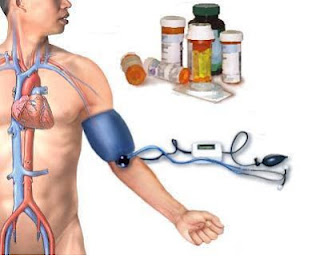
Nursing Interventions Risk for Decreased Cardiac Output in Hypertension Nursing Diagnosis: Risk for Decreased Cardiac Output - Nursing Care Plan for Hypertension Risk for Decreased Cardiac Output related to vasoconstriction Expected outcomes are: Clients participating in activities that lower blood pressure / load cardiac work, maintaining blood pressure within an acceptable range of individuals, showing stable norms and cardiac frequency in the normal range. Nursing Intervention: 1. Observation of blood pressure (the ratio of pressure to give an overview more complete, the involvement / field of vascular problems). 2. Note the presence, quality of the central and peripheral pulsation (throbbing carotid, jugular, radial and femoral probably observed / palpation. 3. Auscultation of heart and breath sounds tone. (S4 commonly heard in patients with severe hypertension due to atrial hypertrophy, the development of S3 showed ventricular hypertrophy and malfunction, the presence of crackles...

Nursing Interventions for Hyperemesis Gravidarum

Gambar
Nursing Interventions for Hyperemesis Gravidarum 1. Assess for signs of dehydration Rational: improve fluid balance, and maintain a homeostatic mechanism, is the basis for the mother and fetus to maintain balance. 2. Assess vital signs Rational: temperature, pulse rate increased and decreased BP are signs of dehydration and hypovolemia. 3. Give parenteral fluids: electrolytes, glucose and vitamins according to program Rational: This fluid will provide or meet the needs of the body's acid-base balance, electrolytes and hypoavitaminosis. 4. Provide nutrition in small but frequent portions. Rational: feeding gradually or slowly may help. 5. Monitor the provision of fluids and food in 24 hours as well as expenditures and recorded fluid intake. Rational: the provision of fluids and electrolytes is a way to deal with persistent vomiting, this recording will be able to assess the balance of electrolytes are given, while the number of how many calories can already be given. 6. Review of ed...

Nursing Diagnosis for Hyperemesis Gravidarum

Gambar
Nursing Diagnosis for Hyperemesis Gravidarum Hyperemesis Gravidarum Hyperemesis gravidarum (HG) is a severe form of morning sickness, with "unrelenting, excessive pregnancy-related nausea and/or vomiting that prevents adequate intake of food and fluids." Hyperemesis is considered a rare complication of pregnancy but, because nausea and vomiting during pregnancy exist on a continuum, there is often not a good diagnosis between common morning sickness and hyperemesis. Estimates of the percentage of pregnant women afflicted range from 0.3% to 2.0% Nursing Diagnosis for Hyperemesis Gravidarum 1. Fluid and electrolyte imbalances related to excessive vomiting or lack of fluid intake. 2. Imbalanced Nutrition Less Than Body Requirements related to nausea, vomiting or lack of nutritional intake. 3. Anxiety related to hyperemesis influence on the health of the fetus. 4. Knowledge deficit related to lack of information about the treatment of hyperemesis. 5. Sleep pattern disturbance r...

Nursing Assessment for Hyperemesis Gravidarum

Gambar
Nursing Care Plan for Hyperemesis Gravidarum : Nursing Assessment for Hyperemesis Gravidarum 1. Main complaint: Severe vomiting Nausea, vomiting in the morning and after meals Epigastric pain Feeling thirsty No appetite Vomiting of food / liquid acid 2. Predisposing factors Maternal age <20 years Multiple gestation Obesity Trophoblastic Disease 3. Physical Examination Metabolic acidosis is characterized by headache, disorientation Tachycardia, hypotension, vertigo Conjunctival jaundice Impaired consciousness, delirium Signs of dehydration: Dry skin, mucous membranes dry lips Slow return of skin turgor Sunken eyelids Weight loss Increase in body temperature Oliguria, ketonuria Concentrated urine Laboratory data: Proteinuria Ketonuria Urobilinogen Decreased levels of potassium, sodium, chloride, and protein Decreased levels of vitamin Increased Hb and Ht Nursing Diagnosis for Hyperemesis Gravidarum